

Close





DESCRIPTION
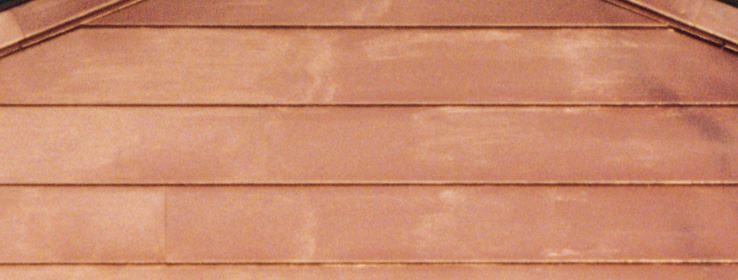
Appearance of a darker/denser color or higher sheen where two layers overlap during paint application.
POSSIBLE CAUSE
Failure to maintain a "wet edge" when painting. Essentially, some areas are receiving 2 coats.
Painting on an unsealed surface.
Painting under high temperatures.
SOLUTION
Maintain a wet edge. When painting, apply paint in the unpainted area first and then back into the wet paint surface. This technique will produce a smooth, uniform appearance. Work in manageable-size areas; plan for interruptions at a natural break, such as a window, door, or corner.
Prime the surface with the appropriate primer to prevent the paint from soaking into the surface and drying too quickly.
Follow label and data page directions for the appropriate environmental conditions.
Begin rolling at a corner near the ceiling and work down the wall in three-foot-square sections.
Spread the paint in an "N" pattern, starting rolling from a dry area into the wet area.
Cross-roll to fill in the "N".
Finish with light, downward, parallel strokes to uniform the finish.
INTERIOR
Primer(if needed)
Premium Wall & Wood Interior Latex
Loxon® Concrete & Masonry Primer/Sealer
Suggested Finish
Duration Home®
Cashmere®
SuperPaint®
ProClassic®
or reapply the same coating
See Interior Paints
EXTERIOR
Primer(if needed)
Exterior Primer
Loxon® Concrete & Masonry Primer/Sealer
All Surface Enamel Primer
Suggested Finish
Duration®
SuperPaint®
A-100®
or reapply the same coating
See Exterior Paints


